
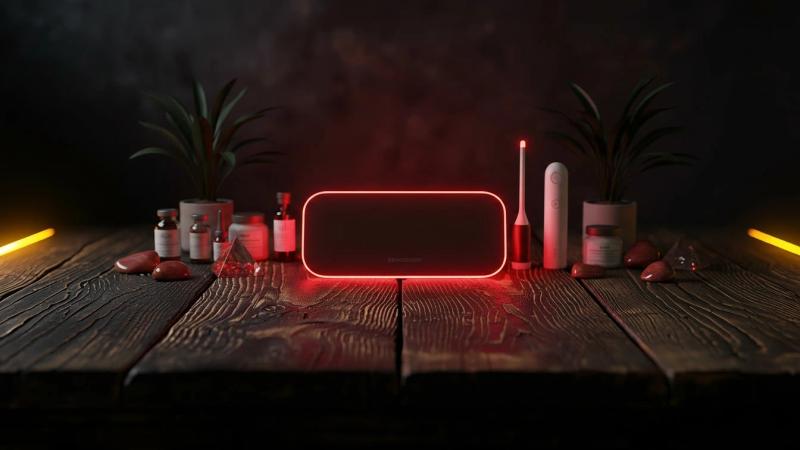
The FDA has issued new requirements to differentiate between low-risk LED panel devices and higher-risk continuous laser therapies, emphasizing safety for home users. With explicit warnings about burn risks associated with high-power lasers, the agency advocates for LED systems as the preferred option for at-home treatment, while professional supervision remains essential for high-power applications. This shift aims to streamline the use of red light therapy in both personal and clinical settings, addressing user skepticism and enhancing treatment efficacy.

“Portable infrared sauna with ThermoCell heating panels and integrated 660nm red-light therapy.”

“Trying a new lymphatic draining cupping/red light therapy machine… I’ll give you an honest review in a month if it works or not”

“Becky Stern takes a look inside two new LED red light therapy masks!”

“Brysk offers six non invasive treatments designed to boost recovery, performance and overall wellbeing.”
“Everything is backed by science and real results.”

“Specific wavelengths of red and near-infrared light support mitochondrial function, which means better energy production, improved recovery, and healthier skin.”
“Specific wavelengths of red and near-infrared light support mitochondrial function, which means better energy production, improved recovery, and healthier skin.”
“Specific wavelengths of red and near-infrared light support mitochondrial function, which means better energy production, improved recovery, and healthier skin.”
“Specific wavelengths of red and near-infrared light support mitochondrial function, which means better energy production, improved recovery, and healthier skin.”

“Collagen matcha drinks with a side of red light therapy in Mumbai.”
“an assortment of hawker stalls in Pune.”
“a secret cocktail room in Goa.”