
Uber's substantial $10 billion investment in robo-taxis marks a pivotal move away from its traditional asset-light gig economy framework towards actively owning and operating vehicle fleets. This includes a new commitment to acquire at least 35,000 vehicles from Lucid Motors, bolstering their strategy to launch robo-taxi services in the Bay Area by late 2026. Simultaneously, Uber faces ongoing legal battles that threaten to impact its operations and public perception as it endeavors to establish itself in the autonomous vehicle sector.
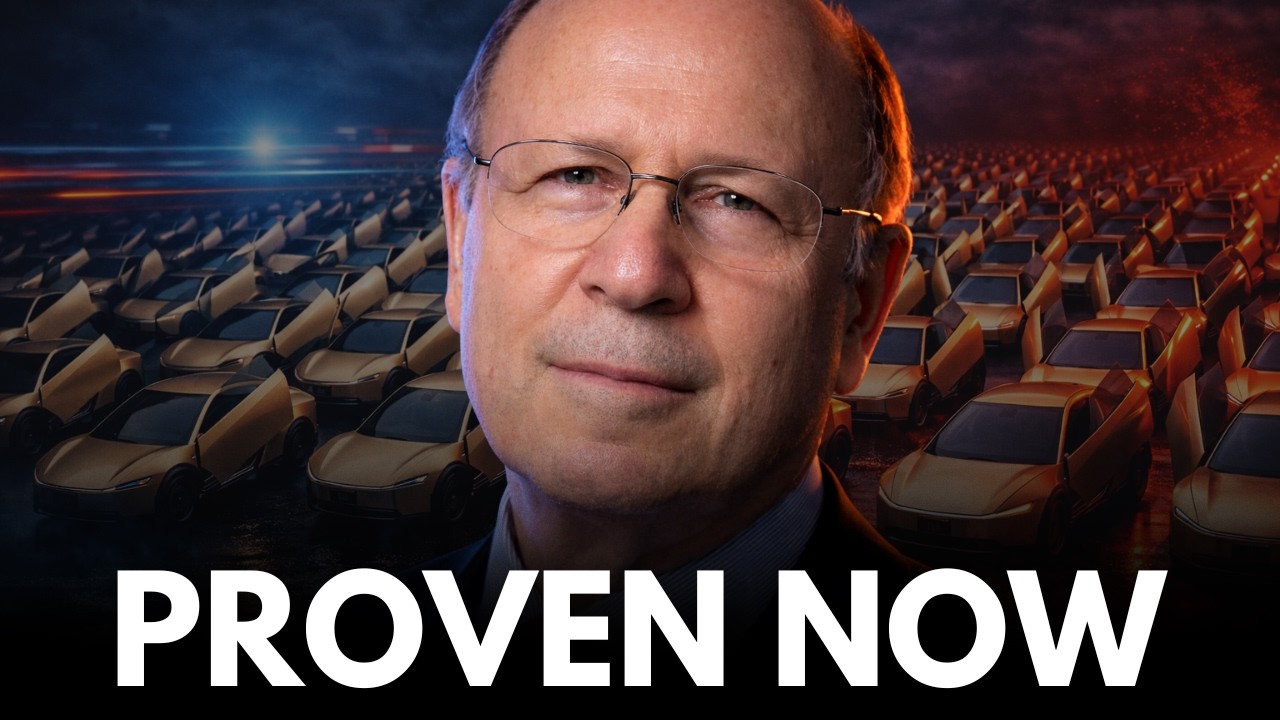
“Uber just made a $10 billion bet on robo taxis. That's Uber, the company that built its entire business on not owning cars.”
“They are now going to start buying cars. So they've committed $10 billion to robo taxis and it's a decisive strategic pivot.”
“But guess what? They are now going to start buying cars. So they've committed $10 billion to robo taxis and uh it's it's a decisive strategic pivot uh according to Financial Times.”
“They're switching from this traditional asset light gig economy model where they don't own anything towards owning and operating fleets at scale.”

“Uber loses another US driver sex assault trial, ordered to pay $5,000”

“研究表明,外卖订单的平均价格比同样的自取订单高出 80%。”
“这位美国母亲想通过外卖平台的收费来教儿子金钱的价值。”

“The exact price Lucid is charging Uber for these robotaxi vehicles (Gravity-based initially, then midsize platform) hasn't been publicly disclosed—it's a fleet purchase deal.”
“Launch for Uber's service is planned for late 2026 in the Bay Area.”
“Uber官方多次明确否认会根据手机电量调整价格,定价完全基于实时供需、司机数量和路线等因素。”
“低电量用户确实可能更急着下单,但Uber不利用这个来个性化涨价。”

“UBER按照手机电量来给不同的价格 电量越低 价格越高”
