

US Proposes Diplomatic Framework to Navigate Strait of Hormuz Tensions
PILLAR DIAGNOSTIC // WEEK 16
“The contradictory narratives on the Strait of Hormuz—ranging from permanent reopening to full naval shutdown, plus competing US-Iran control claims—create an elevated short-term risk of miscalculation in the Gulf. Domestic legal and legislative interventions (ballroom injunction, TPS disputes) moderate systemic escalation, shifting some friction onto political and institutional channels rather than immediate military confrontation.”
Proposed action
To resolve these divergences, we advise: 1) A joint White House–Pentagon communiqué clarifying that diplomatic statements of ‘reopening’ precede a phased blockade operation, thus distinguishing rhetorical timing from military actions. 2) Coordination with DOJ and the court to carve out a security-critical exemption in the ballroom construction or agree to a revised plan compliant with the injunction. 3) Publication of a clear TPS wind-down timetable to reconcile permanent-vs-temporary messaging. 4) Engagement with Iranian authorities on agreed safe-passage protocols in Hormuz to undercut competing control claims. This integrated interagency and diplomatic approach will unify the pillars and lower the overall risk posture.
THE MECHANICS
Moves & flows
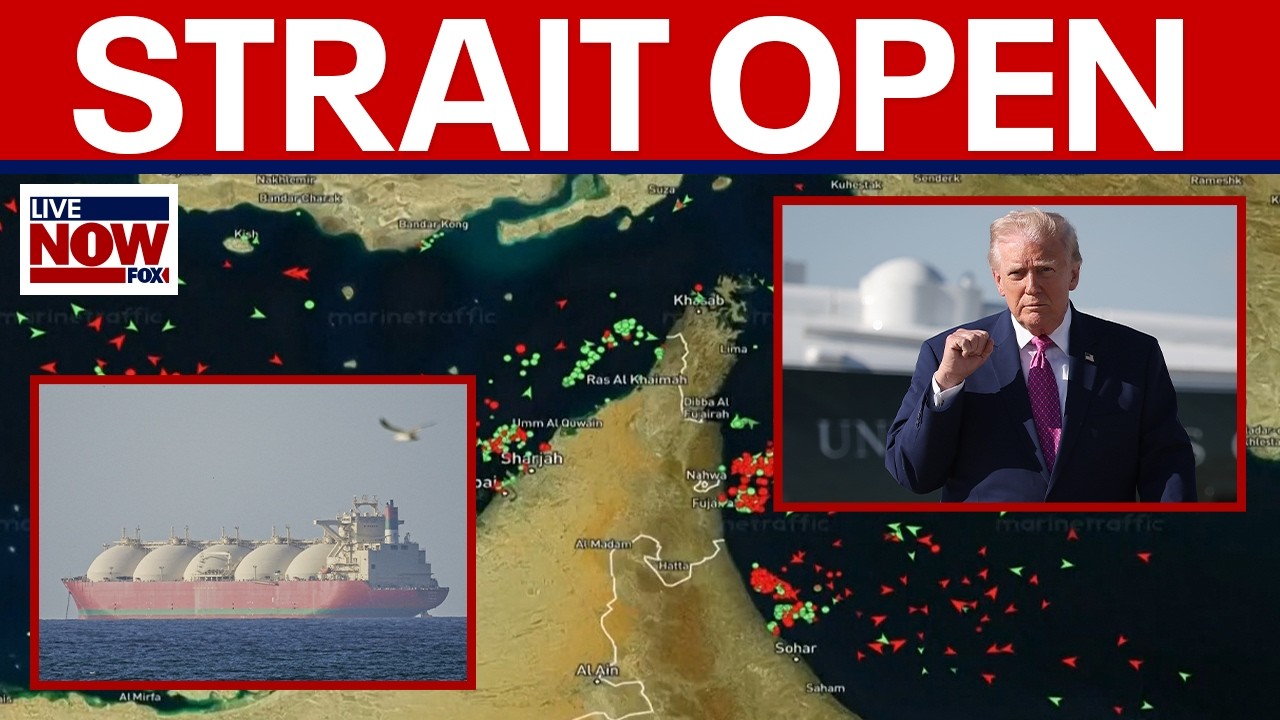
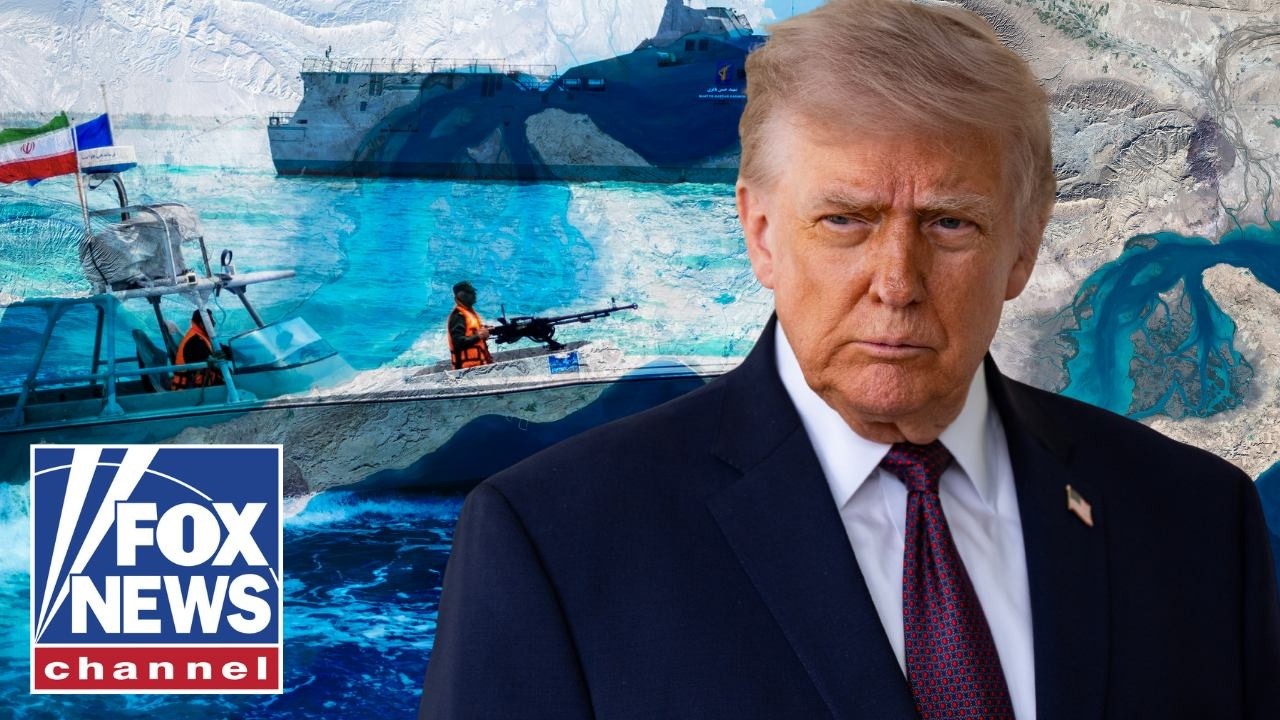
U.S. strikes and blockades have shattered Iran’s naval and air capabilities, slashed tanker traffic through the Strait of Hormuz, and spurred Iran to probe and counter the blockade with continued shipments and missile threats.
THE MACHINE
Capacity & posture
President Trump’s discourse centers on U.S. machine power: asserting unmatched military and energy supremacy—from leading oil and gas production to boasting the greatest submarines and AI potential—alongside major infrastructure and defense investments, despite persistent strategic chokepoints like a still-blocked Strait of Hormuz.
THE MAP
Terrain & rules
Multiple Trump administration initiatives—from imposing a blockade on the Strait of Hormuz and new tariffs to executive orders on voting, college sports, and immigration—have been met with legal setbacks and congressional resistance, including Supreme Court rulings, Senate rejections, and pending lawsuits.
THE MOOD
Narrative & leverage
Voters and observers are alarmed by President Trump’s aggressive war rhetoric toward Iran, fatigued and fearful about rising oil prices and potential conflict, outraged by his blasphemous social-media posts and attacks on religious leaders, and increasingly doubtful of his mental fitness and trustworthiness.





.jpg&width=160)
%20-%20IRN%20-%20UNOCHA.svg&width=160)
